
Healing Through Art, Expression, and Imagination
Emotional healing isn’t a straight line. Whether you’re moving through trauma, grief, burnout, or a major life change, the process is often messy, uncertain, and deeply personal. While therapy and mindfulness are powerful tools, another often overlooked force is creativity.
Creativity is more than just art. It’s about reconnecting with your voice, expressing what’s hard to say, and finding meaning in your experience. Whether you write, paint, sing, build, or dance, creative expression becomes a healing language when words fall short.
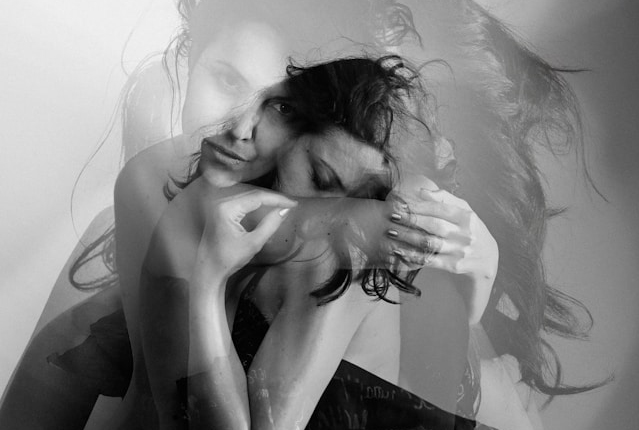
Photo by Sofia Lasheva on Unsplash
What Creativity Looks Like in Recovery
Creativity in recovery is not about talent or perfection. It’s about freedom—the freedom to explore your inner world without judgment. When healing feels heavy, creativity offers lightness, play, and perspective.
Many people in recovery describe feeling like they’ve lost a part of themselves. Creativity helps you find that part again. It becomes a way to rebuild identity, tell your story, and process deep emotions in a safe and meaningful way.
Why Creativity Supports Emotional Healing
1. It Helps You Process Emotions That Are Hard to Express
Trauma and pain often leave us with feelings that words can’t reach. Through painting, journaling, music, or movement, you can release emotions that have been stored in the body for years.
A 2016 study published in the Art Therapy Journal found that just 45 minutes of art-making significantly lowered cortisol (the stress hormone), suggesting that creativity has immediate calming effects on the nervous system (Kaimal et al., 2016).
2. It Builds Self-Compassion and Acceptance
Creativity allows space for curiosity and imperfection—qualities often shut down during trauma or depression. As you create without the pressure to perform, you begin to treat yourself more kindly.
You shift from “What’s wrong with me?” to “This is how I feel—and that’s okay.”
3. It Strengthens Emotional Resilience
Every act of creation—no matter how small—is an act of hope. Whether it’s writing a page, molding clay, or baking something new, you’re reminding yourself: “I can make something beautiful out of pain.”
Creativity also offers a safe space to take emotional risks and practice trust—in yourself and in life.
4. It Fosters Connection
Sharing creative work builds authentic connection. Others see parts of themselves in your story, your colours, your song. Even solo creativity creates a sense of belonging.
📖 A 2021 study in The Journal of Positive Psychology found that people who engaged in regular creative activities reported stronger feelings of social connection and purpose—even when creating alone (Conner et al., 2021).
Forms of Creativity That Support Healing
Creativity doesn’t have to be “artsy” or public. It just has to feel like you. Here are some accessible ways to explore:
Writing & Journaling
- Write a letter to your younger self
- Try “morning pages” (3 pages of unfiltered writing)
- Tell your story, one page at a time
Writing clarifies your feelings and gives voice to thoughts you’ve kept inside.
Visual Art
- Try painting, collage, or simple sketching
- Use a colouring book for meditative focus
- Make a vision board or mood board for healing
Visual expression helps when words feel too heavy.
Music & Sound
- Listen to music that mirrors your mood
- Create a playlist that reflects your journey
- Play, hum, or sing just for yourself
Music regulates mood, opens the heart, and taps into emotional layers you didn’t know were there.
Movement & Dance
- Move freely to music (even alone in your room)
- Try intuitive movement or yoga
- Use dance to express what you feel
Movement helps release stored tension and reconnect you with your body in a healing way.
Crafting, Gardening, and Hands-On Work
- Knit, garden, bake, sculpt, or restore something
- Use your hands to build something from the ground up
- Focus on the tactile sensation—it calms the nervous system
Creating with your hands is grounding, soothing, and empowering.
How to Start If Creativity Feels Hard
- Start small: Set a 10-minute timer and just begin.
- Let go of the outcome—creativity is the process, not the product.
- Use prompts like:
- “Today I feel…”
“If my pain had a colour, it would be…”
- “What does healing look like today?”
- “Today I feel…”
Most of all: be kind to yourself. You don’t have to create something “good.” You just have to show up.
Final Thoughts: Create Your Way Back to Yourself
Embracing creativity is an act of self-respect. It’s how you reclaim joy, express truth, and make meaning out of what you’ve lived through.
In a world that says “get over it,” creativity says:
“Let’s explore it.”
“Let’s shape it.”
“Let’s make something new.”
You don’t need to heal quietly.
Let your healing paint. Let it dance. Let it write. Let it breathe.
References
- Kaimal, G., Ray, K., & Muniz, J. (2016). Reduction of cortisol levels and participants’ responses following art making. Art Therapy: Journal of the American Art Therapy Association, 33(2), 74–80.
- Conner, T. S., DeYoung, C. G., & Silvia, P. J. (2021). Everyday creative activity as a path to flourishing. The Journal of Positive Psychology, 16(1), 1–10.

2 Comments
Pingback: How Embracing Creativity Fuels Emotional Restoration. – olive-eel-337387.hostingersite.com
Pingback: How Embracing Creativity Fuels Emotional Recovery. - quizinfopedia.com